



How Elastics Fix Jaw Misalignment
지역
성명
Deloras Moten
전화번호
핸드폰번호
delorasmoten788@laposte.net
주소
6275
제조회사
에어컨종류
모델명
용량평형
작업유형
철거장소 주소
설치장소 주소
예상배관길이
앵글작업여부
작업희망일자1
작업희망일자2
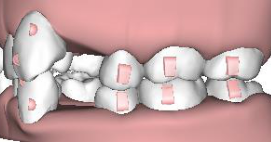
Using elastics to correct jaw alignment is a common part of orthodontic treatment for many patients. These small rubber bands are attached to brackets on the teeth and are engineered to exert gentle, consistent pressure to realign the upper and lower jaws. They are frequently combined with braces to address issues like excessive overjet, retrognathia, lateral misalignments, and anterior gaps.
The mechanics behind orthodontic elastics is by exerting directed pressure that guides the upper and lower jaws into proper alignment. For example, when the maxilla is excessively forward, the orthodontist might suggest a Class II traction pattern. The direction and 表参道 歯列矯正 placement of the elastics are specifically designed per case based on their particular dental misalignment.
Patients are usually instructed to keep them in place 24, except when eating or brushing their teeth. Consistency is key because the tension applied by the bands needs to be applied consistently to be beneficial. Skipping even a day or two can delay treatment outcomes and may necessitate additional adjustment visits.
It is normal to feel some discomfort when first starting to wear elastics. The mandible and dental arches may become tender for 3–5 days but this often resolves as the body acclimates. Non-prescription medications and eating soft foods can ease the transition. It is critical to swap them out regularly, every 12–24 hours, because they lose their strength over time.
Orthodontists often provide various gauges and tensions of elastics depending on the degree of misalignment. Patients should under no circumstances change the elastics without consulting their orthodontist. Using the wrong elastics can exacerbate the problem and may trigger jaw joint injury.
Maintaining clean teeth is crucial when using rubber bands. Debris often accumulates around the bands, so brushing and flossing after every meal is vital. Maintaining brace hygiene helps prevent complications and reduces risk of decay and gingivitis.
Typically, patients initiate rubber band use after their braces have been adjusted to a certain point. The orthodontist will explain exactly how to attach and remove them and usually illustrates it during check-ups. Many benefit from to use a small tool or a mirror at first until the process feels natural.
The outcomes achieved with elastics can be significant. A majority experience visible progress in their bite and facial profile within a few months. Consistent, correct application not only enhances the appearance of the teeth but also improves chewing, speaking, and long term dental health.
Achieving optimal results with rubber bands relies heavily on patient cooperation. Precisely observing clinical guidelines and wearing the elastics as prescribed can transform the outcome in achieving the final therapeutic goal. While it may take some getting used to, the end result—a properly aligned jaw and a healthy, functional bite is truly rewarding.