




Measuring the Bond Strength of UV-Cured Coatings
지역
성명
Paige
전화번호
핸드폰번호
paigetomczak535@gmail.com
주소
3871 Ca
제조회사
value
에어컨종류
value
모델명
용량평형
작업유형
철거장소 주소
설치장소 주소
예상배관길이
4m
앵글작업여부
작업희망일자1
작업희망일자2
Testing the adhesion strength of UV-cured films is critical to ensure the durability and performance of coatings in professional coating operations. Inadequate surface attachment can lead to loss of protective function under mechanical or environmental load, so reliable measurement helps confirm optimal UV cure parameters.
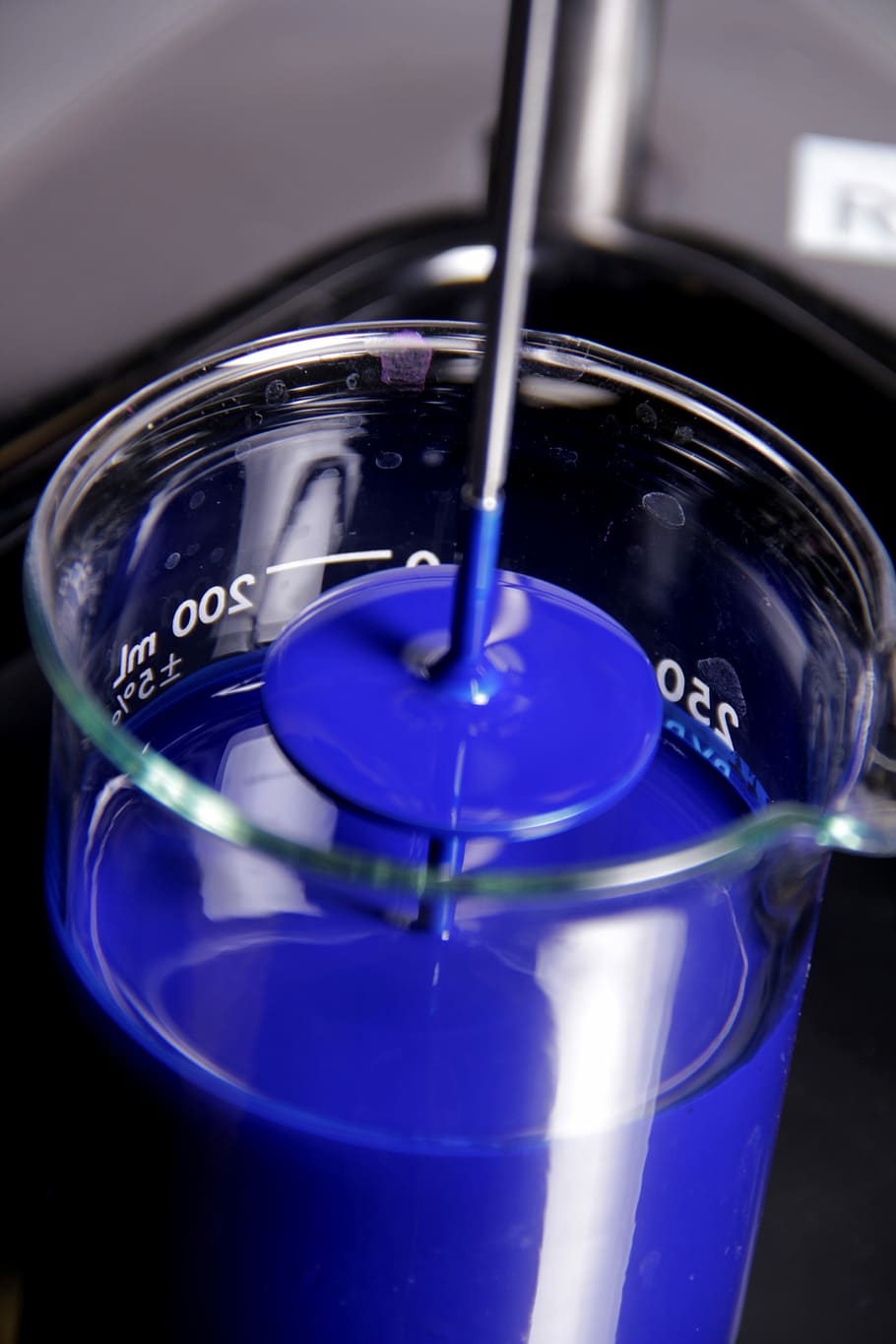
There are several standardized methods to measure bond strength, each tailored for specific materials and operational environments.
One of the most common methods is the grid cut test, defined by standards such as ANSI. This involves making a series of intersecting incisions on the coated surface. The grid typically consists of six parallel lines in one direction and six perpendicular lines, forming micro-scale quadrants. After the cuts are made, industrial-grade pull tape is applied using a roller for Saturated polyester resin supplier even contact and then stripped perpendicularly from the surface. The extent of material detachment is evaluated by comparison to reference charts, with 5 indicating no removal and 0 indicating complete removal. This method is easy to perform, affordable, and commonly referenced for qualitative assessment.
To obtain measurable data, the pull-off adhesion test, as described in ASTM D4541, is preferred. In this method, a cylindrical test fixture is adhered to the UV-coated substrate using a two-part structural adhesive. Once the bond has fully set, a tensile testing device is mounted on the test point and a controlled tensile force is applied at a right angle to the substrate. The force required to detach the film is captured and translated into pressure values, such as psi or MPa. This provides a quantitative metric that can be used for quality benchmarking and is especially useful for quality control and research purposes.
Another important consideration is the condition of the substrate before coating. Pre-coating treatment, such as solvent wiping, grit blasting, or UV-ozone exposure, can significantly influence adhesion. Testing should be performed under conditions that mimic real-world usage, including exposure to humidity, temperature cycling, or chemical solvents. For example, specimens may be aged under high RH for up to three days before testing to assess long-term durability under stress.
Equally important is verifying that the curing cycle is precisely calibrated. Under-cured film due to low irradiance, mismatched duration, or wrong spectral output can result in reduced cohesive and adhesive strength. Adhesion testing should be conducted after the film has fully cured and cooled to room temperature. A initial cure verification using a acetone wipe test can be performed as a quick screening method to ensure cure completeness before proceeding to pull-off or cross-hatch procedures.
When interpreting results, it is important to note the plane of separation. If the film detaches at the interface, the adhesion is weak. If the failure takes place in the bulk material, the the film lacks structural robustness. If the substrate fails, it may indicate that the the coating adheres better than the substrate holds together.
Finally, consistent testing procedures and environmental controls are essential for accurate results. Use calibrated equipment, experienced operators, and documented protocols to achieve audit-ready results. Record details such as irradiance levels, curing time, room conditions, and RH during each phase of preparation and evaluation. This information helps identify root causes of adhesion anomalies.
By combining visual inspection with quantitative measurements and environmental conditioning, manufacturers can reliably validate film-substrate compatibility and enhance quality control to extend service life.