




지역센타회원 | Exploring the Various Forms of Teeth Misalignment
아이디
패스워드
회사명
담당자번호
업태
종류
55270
주소
전화번호
휴대폰
FAX
umbagainestor900@comcast.net
홈페이지 주소
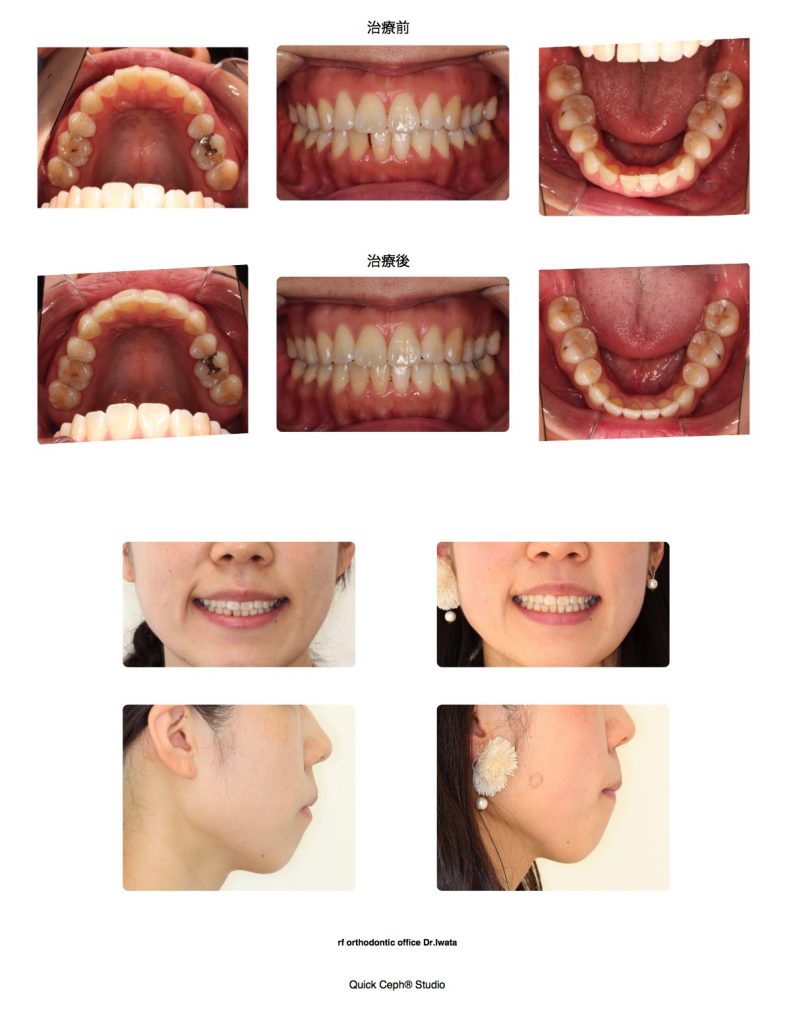
Malocclusion refers to teeth that don’t fit together properly or a mismatch in upper and lower jaw positioning when the jaws close. It is a frequently encountered oral health problem that can affect the visual harmony of the grin but also their capacity to eat efficiently, their verbal communication, and their risk for plaque buildup.
Neutral malocclusion is the predominant category. In this case, the occlusion is classically aligned, meaning the upper teeth slightly overlap the lower teeth. However, other dental irregularities may exist like teeth overlap, spacing, or malpositioned molars. Even though the arches are properly positioned, these dental irregularities can hinder proper brushing and flossing and elevate susceptibility to caries and periodontitis.
Overbite (Retrognathism) occurs when the upper arch is positioned too far ahead of the lower. This can cause the chin to look set back. It is often genetic but can also be caused by habits like prolonged thumb sucking. People with this type may experience difficulty biting into food or may develop jaw pain over time.
Type III malocclusion is the opposite of Class II. Here, the mandible protrudes beyond the maxilla. This can lead to impaired mastication, speech issues, and uneven facial development. It is often due to inherited skeletal structure or disrupted craniofacial development.
Crossbite is another type where upper molars or incisors are inside the lower arch when the jaws are closed. This can occur in the anterior segment or the back teeth (posterior crossbite). A crossbite can lead to excessive attrition, receding gingiva, and jaw misalignment if left untreated.
Open bite is characterized by an absence of contact between incisors when the back teeth are biting together. This can make it difficult to bite into food and may contribute to speech issues like lisping. Open bites are often associated with prolonged oral habits, tongue thrusting, or prolonged use of a pacifier.
Overjet is sometimes mistaken for Class II malocclusion, but it specifically refers to the anterior-posterior gap of incisors. When this distance is abnormally wide, the upper teeth stick out noticeably, making teeth prone to fracture.
Each type of malocclusion has unique effects on dental function and aesthetics. Early detection and intervention, in pediatric patients, can avoid complex dental complications. Corrective appliances like aligners, or select surgical options, can realign the dental arches. Regular dental checkups and 鐘ヶ淵 歯科矯正 early orthodontic evaluations are critical for accurate diagnosis and selecting the most effective correction strategy.