




가맹점회원 | How to Make Your Fitted Sheets Last a Lifetime
아이디
패스워드
회사명
담당자번호
업태
종류
330 12
주소
전화번호
휴대폰
FAX
zelmamorehead114@live.co.uk
홈페이지 주소
To build a set of fitted sheets that stand the test of time start by choosing the right fabric and construction. Look for sheets made from long staple cotton like Egyptian or Pima cotton because the fibers are stronger and less likely to break over time. Skip cheaply made sheets labeled as high-end—they often fray quickly. Opt for a mid-range thread count of 200–400 with a dense weave.
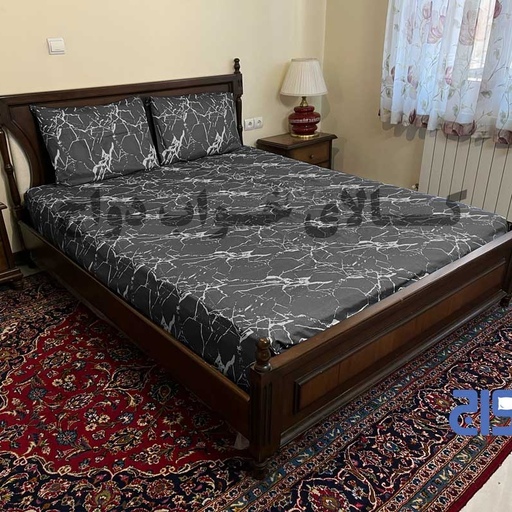
Don’t overlook the importance of corner elastic—choose sheets where elastic is fully encased within the hem at each corner rather than just attached to the edges. This ensures consistent grip through countless washes.
Use a cool, low-agitation wash cycle for fitted sheets. Hot water weakens fibers and causes shrinkage, while strong chemicals and \خرید روتختی chlorine destroy both weave and elasticity. Use a mild detergent and avoid fabric softeners—they diminish moisture-wicking performance with repeated use. Avoid washing with rough textiles that induce abrasion and lint transfer. Reverse the sheets to minimize surface friction during agitation.
Avoid heat whenever you can and let them air dry naturally. High heat is the enemy of elastic and can cause it to snap or lose its stretch—take them out early and spread them out to air-dry the rest of the way. It prevents warping and corner deformation. Never wring out fitted sheets—they can stretch the corners out of alignment.
Proper storage is just as important. Ensure they’re 100% dry before folding to prevent mildew. Don’t stuff them tightly into overstuffed shelves. Store them in a cool, dry place away from direct sunlight. That leads to color degradation and fiber brittleness. Use ventilated fabric containers to avoid trapped dampness.
Alternate between multiple sets weekly. Repetitive use accelerates localized fabric fatigue. Keep three sets on rotation for maximum durability. This gives each set time to recover its shape and reduces wear. If you notice a corner starting to lose elasticity, try gently stretching it back into shape while it’s still damp after washing.
Small problems become big ones if left untreated. A tiny fray can turn into a full seam rupture. Repair minor damage with a needle and thread before it worsens. Through diligent maintenance, proper laundering, and intelligent storage, they’ll remain crisp, snug, and functional for over a decade.